


















Every student knows the feeling. It’s 11 pm, you have a huge pile of homework, you’ve got a test tomorrow, and you don’t imagine how you can have time to sleep. But what if sacrificing those hours is actually making everything harder for your grades, your mood, and even your health?
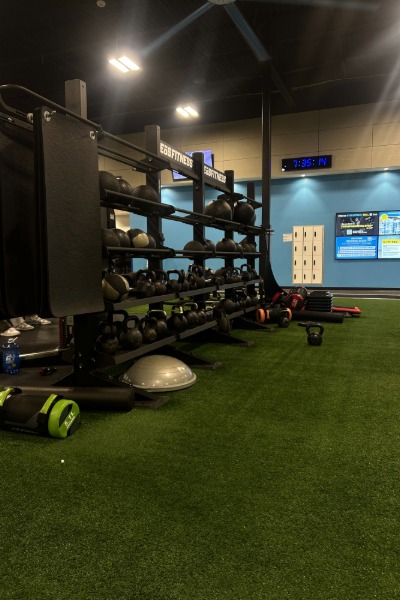
The science is simple and proven. Teens need between eight and ten hours of sleep each night, according to the American Academy of Sleep Medicine. Mr. Martin, Exercise Science teacher and Certified Personal Trainer, advocates for 7-8 hours and tells you the importance of listening to your circadian rhythm. Even though there is plenty of science to explain this, most high schoolers average closer to six or seven on school nights. That gap undermines nearly everything we care about. Sleep is when the brain consolidates memory. Every second of learning and studying is being properly stored in your brain, and if you don’t sleep enough, your memory will suffer. Beyond academics, even a single night of bad sleep increases feelings of anxiety and irritability. Athletes suffer too since they lose reaction time, coordination, and injury recovery without proper rest.
The benefits of consistent, full sleep are hard to exaggerate. Students who sleep well perform better on tests, retain information more effectively, and have lower stress levels throughout the week. Emotionally, a well-rested brain will handle setbacks and social pressures much better than a tired brain. For student athletes, sleep acts as a natural performance enhancer since it improves speed, focus, and endurance. Perhaps most importantly, building healthy sleep habits now establishes a foundation that benefits long into adulthood, reducing the risk of serious health issues like heart disease, obesity, and chronic anxiety.
That said, telling teenagers to simply “sleep more” ignores real obstacles. Heavy homework loads, after-school jobs, sports, and family responsibilities don’t disappear because sleep is important. Early school start times force students to wake up before their bodies are naturally ready, a schedule that research suggests works against teenage biology, not with it. Social pressures add another layer. Many teens would rather stay up texting, playing games, or just talking to their friends. For some, cutting back on those hours means cutting back on connection, creativity, and stress relief in ways that matter too.
The goal isn’t to have perfect sleep now, it’s awareness. Small shifts can make a real difference, like setting a consistent bedtime, putting your phone down earlier at night, or being more efficient in the morning so you can wake up a little later. Schools and parents have a role to play as well, by reconsidering homework expectations and start times. But within the choices students do control, sleep deserves to be treated as a priority, not an afterthought.