



















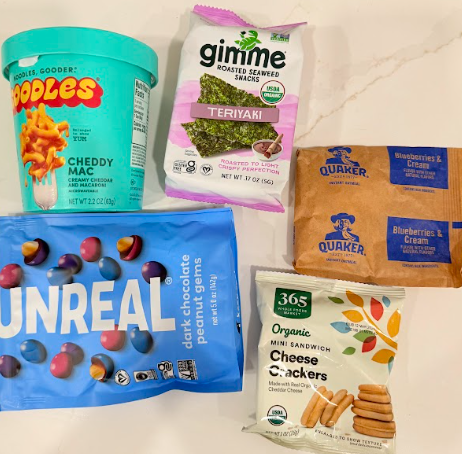
Oftentimes, when we are on a new diet, we purchase food products that we assume to be healthy such as sweetened yogurt, energy drinks, whole wheat bread, peanut butter, protein powder, or frozen meals. The reality is that many of these products contain ultra-processed foods (UPFS) ingredients like color, artificial flavor, oil, and sugars. For example: packaged snacks or meals. It’s important to understand the impact of UPFs on our physical, mental, and overall wellness.
Ultra-processed foods are made from ingredients that are not naturally found in our kitchen and are often added to foods to enhance their flavor, color, or shape. UPFs are more durable and convenient for people to purchase as they come in smaller packaged portions and last longer. As people eat more ultra-processed food, they become addicted to the taste of artificial flavors. For example, UPFs like instant noodles, sugary cereals, soft drinks, packaged snacks, and processed meats can cause many chronic health issues.
In the article titled,“Ultra-processed foods and fast food, “ states, “ Being above a healthy weight increases your risk of developing 13 different cancers…” This indicates that UPFs contain low nutritional value and chemical products that affect people’s wellness. It is common for people to gain weight from consistently consuming UPFs. Ultra- processed foods are harmful to people’s development because the foods also contain high amounts of sugar, food additives, chemical preservatives, and not enough protein.
One of the major effects that UPFs have on health is weight gain and bad metabolic health. Excessive sugars, fats, oils, and salts present in UPFs have no nutritional value, resulting in people buying more and more to achieve the same level of fullness, leading to weight gain and other health problems. A Harvard Health article explains that “ultra-processed foods can quietly interfere with how our bodies burn and store fuel, regulate blood sugar and maintain a healthy fat balance.” This shows that ultra-processed foods negatively affect people’s metabolism by spiking blood sugar to dangerous levels and interfering with the body’s natural ability to convert foods or drinks into useful energy.
High sugar levels in foods cause people to experience a “high,” which often leads to a crash afterwards. This sort of crash does not occur with foods with more appropriate levels of sugar. Hormones such as Ghrelin (hunger) and Leptin (satiety) signal to the brain when the body is hungry vs. full. When we consume UPFs, high levels of dopamine are often increased in our system, giving us a temporary energy boost and pleasure, but at a cost to health. UPFs do not guarantee long-term satiety, and therefore, we often overconsume them in hopes of achieving the same feelings. This leads to overconsumption, weight gain, and low energy levels. UPFs harm our brain-gut communication.
In the Harvard Health article “Eating ultra-processed foods tied to cognitive decline”, an experiment was done to dementia free people (ages 35-74) to observe whether UPFs has an effect on cognitive decline. After 8 years of research they found that middle-aged people who ate the most junk food had a faster rate (up to 28%) of cognitive decline, compared with people who ate the least junk food.
Their findings suggested that people with careers or academic life are affected by cognitive decline, which limits people from reaching their full potential. Cognitive decline is when a person forgets recent events, losing focus, and experiences mood changes. Ultra-processed foods are unhealthy and can lead to many diseases such as mood changes (etc. anxiety, depression).
Overconsumption is common when feeling bad, usually foods that are eaten during these situations are UPFs, but this can lead to physical and mental issues. Children are consuming more ultra-processed foods than adults, which can lead children or teenagers to be more impacted by UPFs linked to physical and mental health issues. As hormones in early age are unbalanced, the neural pathways can be affected by UPFs ingredients that dysfunctions the body’s normal systemic responses.
High consumption of UPFs which leads the society at risk of health problems like diabetes or obesity. Ultra-Processed foods are linked to chronic conditions like cardiovascular disease, metabolic disorders, cancers, and mental health disorders.
Low-income households rely more on ultra-processed because of the low cost of UPFs and the availability. Food choices often depend on the ability of an item to stay fresh and if their children are going to eat the food. Stores like Whole Foods and Fresh Markets tend to cost more and are available inside the town or city. Many people from rural areas don’t have the advantage to access fresh groceries so they consume more ultra-processed foods compared to high-income households.
One way, we can step in is by regulating a public health policy that focuses on how factories process their food items and reassures that companies follow the code of conduct. Reducing the intake of ultra-processed foods companies can add labeling on food items that are UPFs. Which can allow people to be more aware of what they are consuming and make better food options.
The rise of ultra-processed foods is a major concern for people’s physical and mental well-being. UPF have added sugars, unhealthy fats, and low on nutritious value, often overeating on UPFs. This causes for people to get overweight, which leads to body dysfunction in the way to interpret food into the body. As a result, people who consume more UPFs experience cognitive decline, which starts to affect them in their field of work. Every individual reacts differently to UPFs, which causes long-term diseases like type 2 diabetes, 13 cancers, cardiovascular disease, etc.
Going forward, it is important to understand the impact of ultra-processed foods and find food options that will positively benefit a person’s health. This awareness can help us to have healthier relationships with food and work towards making a positive change in the food industry!