



















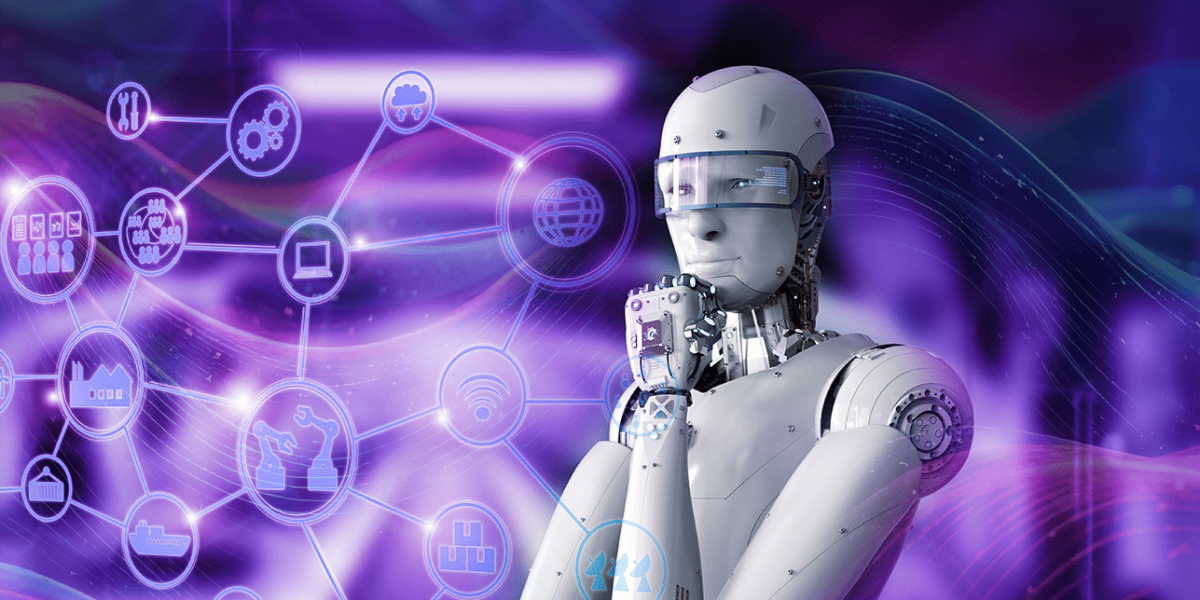
Artificial intelligence has become one of the most important technologies in everyone’s life. AI has evolved to a point where it can do anything you need . However, this convenience comes with a consequence. As people rely more on AI, they risk losing critical thinking skills, creativity, and motivation to learn. While AI can be more productive, it also causes laziness, creating people who depend on machines rather than their own minds.
One of the biggest dangers of AI is that it replaces effort with automation. AI can generate massive amounts of work in seconds, which can be used for malice. Students, for instance, might use AI to write their papers or generate ideas, rather than developing them independently. This dependency prevents them from learning through trial and error, which is essential for building problem-solving skills. Over time, people lose patience with difficult tasks since they are used to allowing AI to solve it for them immediately.
AI also weakens creativity. Tools like image generators and writing assistants can produce art, music, and stories in seconds. While impressive, this accessibility discourages people from creating original work. Why spend hours painting or writing music when an AI can do it faster and better? As a result, human creativity risks becoming shallow, focusing on modifying AI outputs rather than generating unique ideas. Creativity thrives on experimentation and personal expression, things AI eliminates in its pursuit of efficiency.
Another concern is how AI affects memory and comprehension. Because information is always at our fingertips, people feel less need to remember facts or understand deeply. Instead of learning how to solve problems, users often just ask an AI for the solution. For example, relying on AI to summarize articles or explain concepts trains the brain to skim rather than analyze. When knowledge becomes something instantly accessible rather than internally stored, our ability to think critically and reason independently begins to erode.
AI’s convenience can also breed passivity. Many people now let algorithms choose what they watch, read, or listen to, shaping opinions and preferences without conscious decision-making. According to techrxiv.org, This can create echo chambers, reducing exposure to diverse perspectives and weakening analytical judgment. Instead of questioning or challenging ideas, users accept whatever AI feeds them. This mental laziness has serious social implications; it can make people easier to manipulate and less capable of independent thought.
Real world problems are already beginning to rise due to AI usage. Companies have decided to release workers in favor of AI. Ciodive.com reported that just this week, Amazon released 14,000 corporate employees since they can cut costs by replacing them with AI. While this doesn’t exactly show how AI is making regular people more lazy, it still shows how powerful this tool is, and can not be used without knowing its implications. If AI evolved this quickly from nothing to now being able to replace thousands of high level corporate jobs, people can not use it to do their jobs for them.
In conclusion, while AI can be a powerful tool, it must be used responsibly. Overreliance on artificial intelligence is making people lazier and less intelligent by discouraging effort, creativity, and deep thinking. Technology should support human growth, not replace it. To prevent a future where machines think for us, society must encourage balance, using AI as an aid, not a crutch. The smartest generation is not the one that relies most on AI, but the one that knows when to put it aside.